Introduction: In today’s fast-paced world, where sedentary lifestyles and unhealthy habits have become the norm, prioritizing health and exercise has never been more crucial. Regular physical activity is not only a key component of maintaining a healthy weight but also plays a vital role in improving overall well-being. In this blog, we will explore the numerous benefits of exercise and delve into practical tips for incorporating fitness into your daily routine.
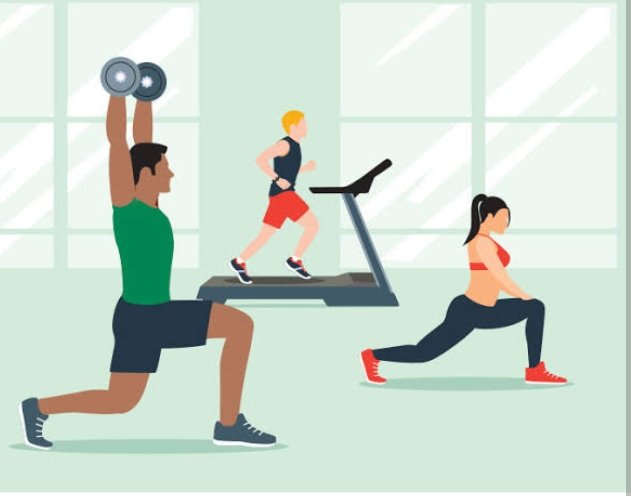
The Power of Physical Activity: Engaging in regular exercise offers a wide range of benefits that extend beyond physical fitness. It has been shown to improve mood, boost cognitive function, enhance sleep quality, and reduce the risk of chronic diseases such as heart disease, diabetes, and certain types of cancer. Exercise also promotes better bone density and muscle strength, which are crucial for maintaining mobility and independence as we age.
Cardiovascular Health: Cardiovascular exercises, such as running, swimming, and cycling, are excellent ways to strengthen the heart and improve circulation. These activities help lower blood pressure, reduce bad cholesterol levels, and enhance the efficiency of the cardiovascular system. Aim for at least 150 minutes of moderate-intensity aerobic exercise per week to reap these benefits.
Strength Training: Incorporating strength training into your routine is essential for building lean muscle mass, boosting metabolism, and improving overall strength. Resistance exercises using weights, resistance bands, or bodyweight can help prevent muscle loss and improve bone health. Remember to target different muscle groups and gradually increase the intensity to see the best results.
Flexibility and Balance: Activities like yoga, Pilates, and stretching exercises contribute to better flexibility, posture, and balance. These practices are especially important for preventing injuries and maintaining a full range of motion as you age.
Setting Realistic Goals: When embarking on a fitness journey, it’s important to set achievable goals that align with your current fitness level and lifestyle. Start with small, incremental changes and gradually increase the intensity and duration of your workouts. Tracking your progress can provide motivation and help you stay on track.
Finding Activities You Enjoy: Engaging in physical activities that you genuinely enjoy increases the likelihood of sticking to your routine. Whether it’s dancing, hiking, playing a sport, or even gardening, find activities that bring you joy and make exercise a fun part of your daily life.
Overcoming Barriers: Overcoming obstacles such as lack of time, motivation, or access to equipment can be challenging. Planning your workouts in advance, incorporating exercise into your daily routine, and seeking support from friends, family, or fitness professionals can help you overcome these barriers.
Prioritizing Recovery: Rest and recovery are crucial components of any fitness plan. Adequate sleep, hydration, and proper nutrition aid in muscle repair and overall recovery, ensuring you can continue to exercise effectively and avoid burnout.
Conclusion: Prioritizing health and exercise is a proactive step toward achieving optimal well-being and longevity. Regular physical activity not only enhances your physical fitness but also positively impacts your mental and emotional health. By making conscious choices to incorporate exercise into your daily routine and adopting a balanced approach, you can embark on a journey toward a healthier, more vibrant life. Remember, it’s never too late to start – every small step you take is a step toward a healthier future.
 Health and fitness